

Anodized Aluminum: Process, Coloring Methods, Benefits & Applications (Complete Guide)
Aluminum anodizing is one of the most widely used surface treatment processes in modern manufacturing. From aerospace components to consumer electronics, anodized aluminum is valued for its durability, corrosion resistance, and aesthetic flexibility.
This guide explains everything you need to know about anodizing aluminum, including the process, coloring methods, performance benefits, and how to improve wear resistance.3
What Is Anodized Aluminum?
Anodizing is an electrochemical process that enhances the natural oxide layer on aluminum surfaces. During this process, aluminum is immersed in an acidic electrolyte and subjected to an electric current, forming a controlled and durable oxide coating.
Key Properties of Anodized Aluminum
· Excellent corrosion resistance
· Increased surface hardness
· Improved wear resistance
· Good electrical insulation
· Enhanced surface finish and appearance
Because of these advantages, anodized aluminum is widely used in:
· Aerospace components
· Automotive parts
· Construction materials
· Electronics and consumer products

How Does the Anodizing Process Work?
In the anodizing process, aluminum acts as the anode (positive electrode) in an electrochemical cell.
Basic Process Steps
· Aluminum part is placed in an acidic electrolyte solution
· A cathode (usually lead or stainless steel) is added
· Electric current is applied
· Oxygen ions react with aluminum surface
· A porous oxide layer forms on the surface
The thickness of this oxide layer depends on:
· Processing time
· Current density
· Electrolyte composition
A thicker oxide layer provides better protection and durability.

Common Anodizing Coloring Methods
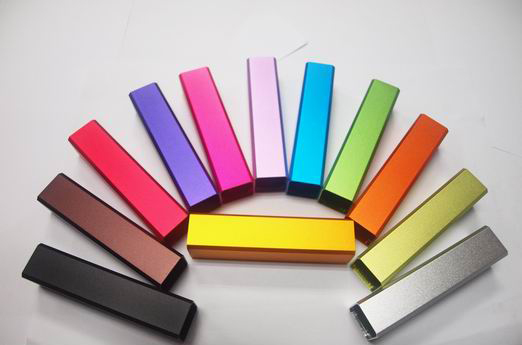
One of the biggest advantages of anodized aluminum is its ability to achieve different colors. Below are the most common anodizing coloring techniques used in industry.
1. Electrolytic Coloring (Electrolysis Method)
This method uses electrical current to deposit metal salts into the oxide layer.
Features:
- Good UV resistance
- Stable colors
- Common colors: black, bronze, gold, nickel
Best for:
Architectural aluminum, outdoor applications
2. Dyeing (Dipping Method)
The aluminum is immersed in a dye solution, allowing pigments to fill the pores.
Features:
- Wide range of colors (bright to dark)
- Flexible and cost-effective
Limitations:
- Lower UV resistance compared to electrolytic coloring
Best for:
Consumer products, decorative parts
3. Interference Coloring
This technique uses light interference effects to create unique color appearances.
Features:
- Enhanced visual effects
- Deep and complex color tones
Best for:
High-end decorative applications
4. Integral Coloring (Integrated Method)
Color is formed during the anodizing process itself by alloy composition and process control.
Features:
- Excellent wear and scratch resistance
- Durable and long-lasting colors
Common colors:
Black, bronze
Best for:
Industrial and high-durability applications

Does Anodized Aluminum Wear Out?
Although anodizing significantly improves surface hardness, anodized aluminum can still wear over time under certain conditions.
Why Wear Occurs
- The oxide layer is porous by nature
- Surface microstructures may experience friction
- Improper sealing or processing can reduce durability
- Exposure to harsh chemicals can damage the coating
How to Improve Wear Resistance of Anodized Aluminum
To maximize the lifespan of anodized aluminum parts, manufacturers often apply the following techniques:
1. Increase Oxide Layer Thickness
A thicker anodized layer improves:
- Hardness
- Wear resistance
- Corrosion protection
2. Proper Sealing Treatment
Sealing closes the microscopic pores in the oxide layer, resulting in:
- Reduced surface roughness
- Improved corrosion resistance
- Better durability
3. Choose the Right Surface Treatment
Depending on the application, additional coatings or finishing processes can further enhance performance.
4. Avoid Harsh Chemical Exposure
Strong acids or alkaline substances can damage the oxide layer and reduce its lifespan.
Applications of Anodized Aluminum
Due to its excellent properties, anodized aluminum is used in a wide range of industries:
Industrial & Engineering
- CNC machined aluminum parts
- Mechanical components
- Heat sinks
Architecture & Construction
- Window frames
- Curtain walls
- Decorative panels
Electronics & Consumer Products
- Smartphone housings
- Laptop casings
- Wearable devices
Automotive & Aerospace
- Structural parts
- Lightweight components
- Corrosion-resistant fittings
Conclusion
Anodized aluminum offers a powerful combination of durability, corrosion resistance, and visual appeal, making it one of the most important surface treatment solutions in modern manufacturing.
By understanding the anodizing process, coloring methods, and performance factors, manufacturers and engineers can select the right treatment to ensure long-term reliability and product quality.
T&B — Your Partner for Aluminum Anodizing & Precision Manufacturing
At T&B, we provide professional aluminum anodizing services and custom metal manufacturing solutions for global industries.
Our capabilities include:
- Aluminum anodizing (decorative & hard anodizing)
- CNC machining for aluminum and metal parts
- Surface finishing (anodizing, polishing, coating)
- Custom fabrication based on drawings or samples
- Support for prototype and mass production
With strict quality control and advanced processing technology, T&B ensures consistent surface quality, durability, and precision for every project.
If you are looking for a reliable supplier for anodized aluminum parts or custom metal components, T&B is ready to support your business with efficient and cost-effective solutions.